Most households fall into one of two cleaning patterns: a frantic deep clean every few months, or scattered daily tidying that never quite catches the buildup in corners, vents, and under furniture. A structured schedule that splits tasks into daily, weekly, and monthly tiers avoids both extremes. It spreads effort out so no single session becomes overwhelming, while still ensuring every part of the home gets attention on a predictable cycle.
Daily Tasks: Maintenance, Not Deep Cleaning
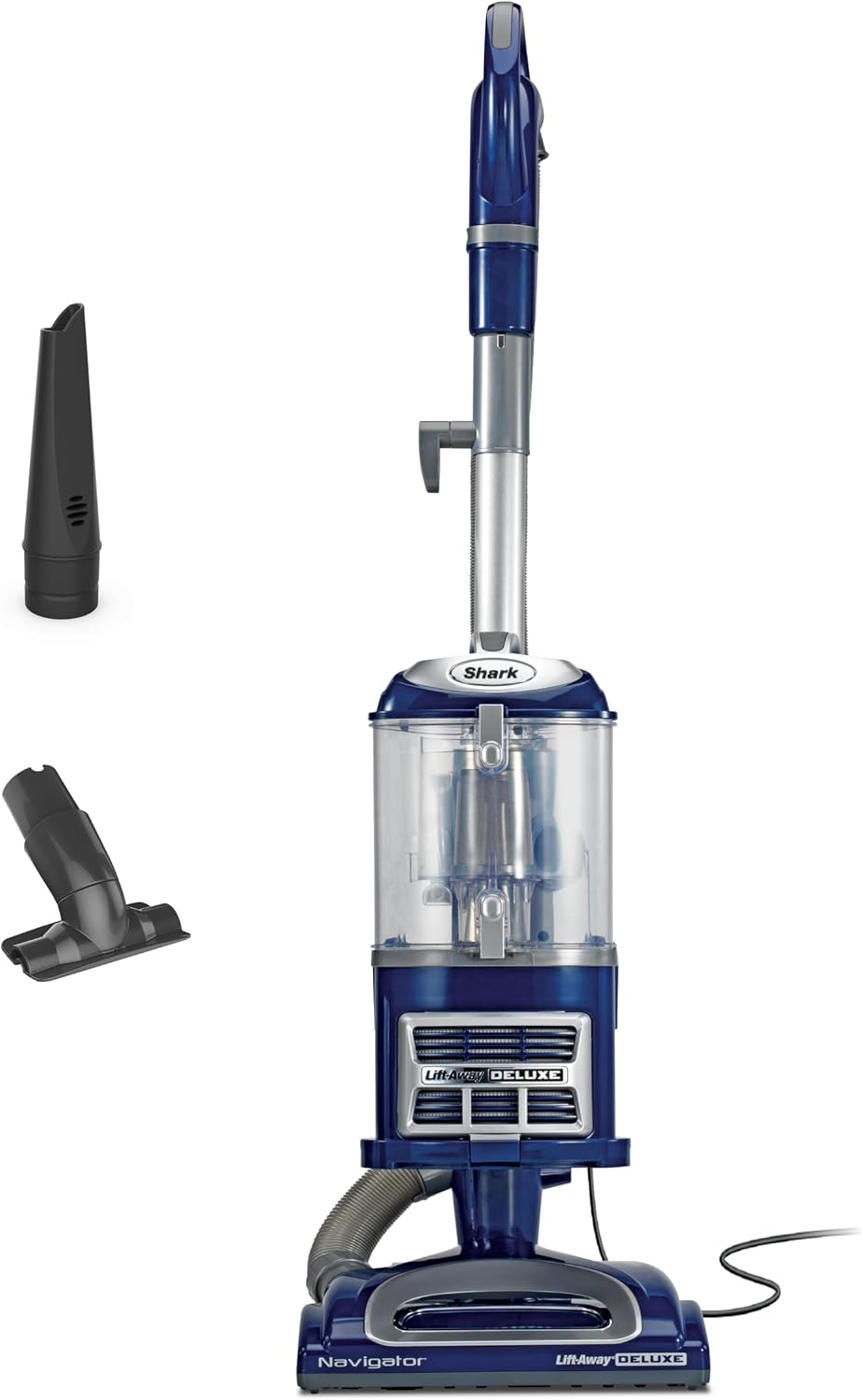
Daily cleaning should take ten to fifteen minutes and focus purely on preventing buildup rather than scrubbing. Wipe down kitchen counters after meal prep, do a quick pass with a microfiber cloth on visible spills, and run a fast vacuum or sweep in high-traffic zones like entryways and kitchens. The goal of daily maintenance isn't a spotless home — it's preventing dirt and grime from compounding into a bigger job later in the week.
Weekly Rotation: Room by Room
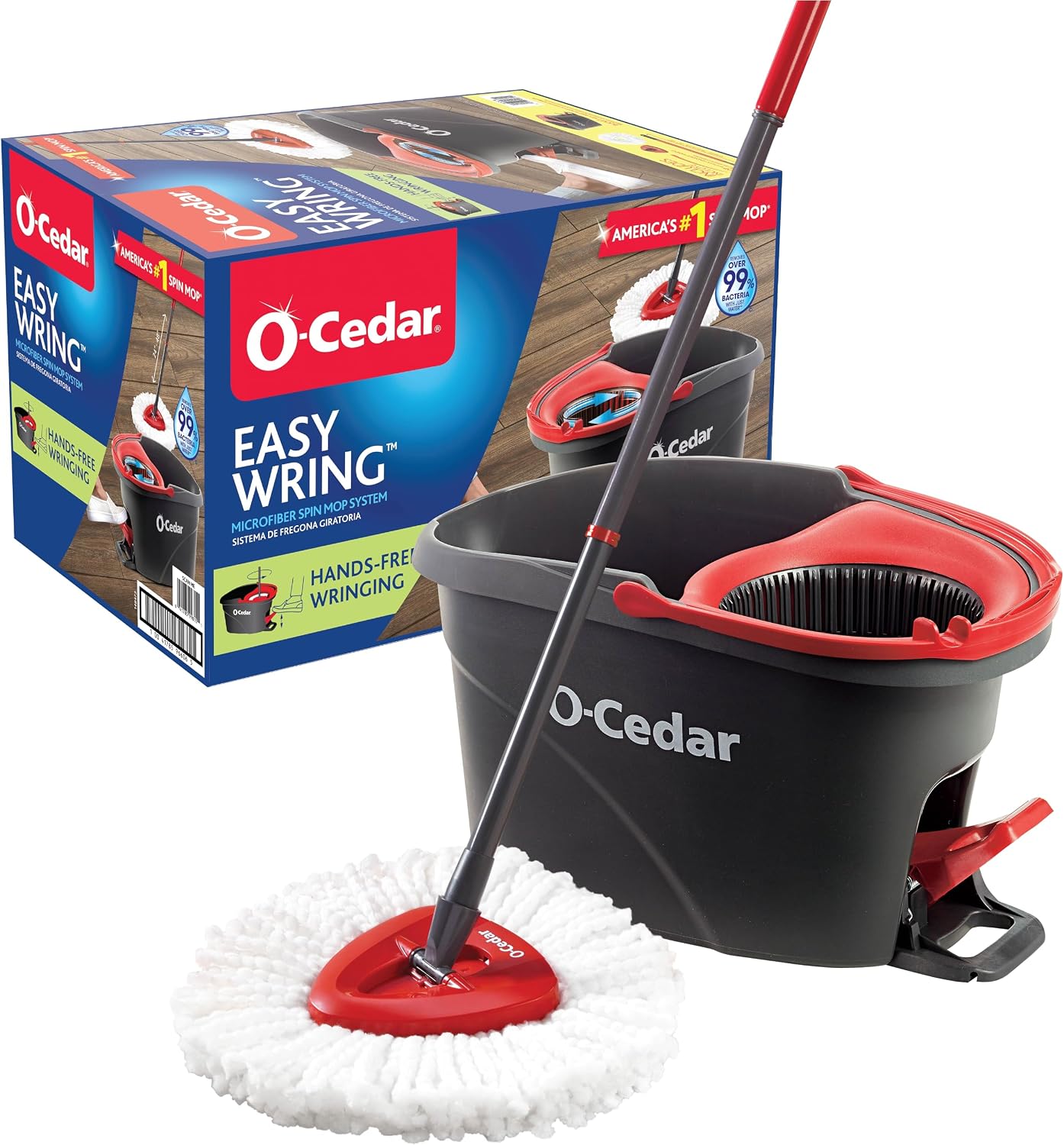
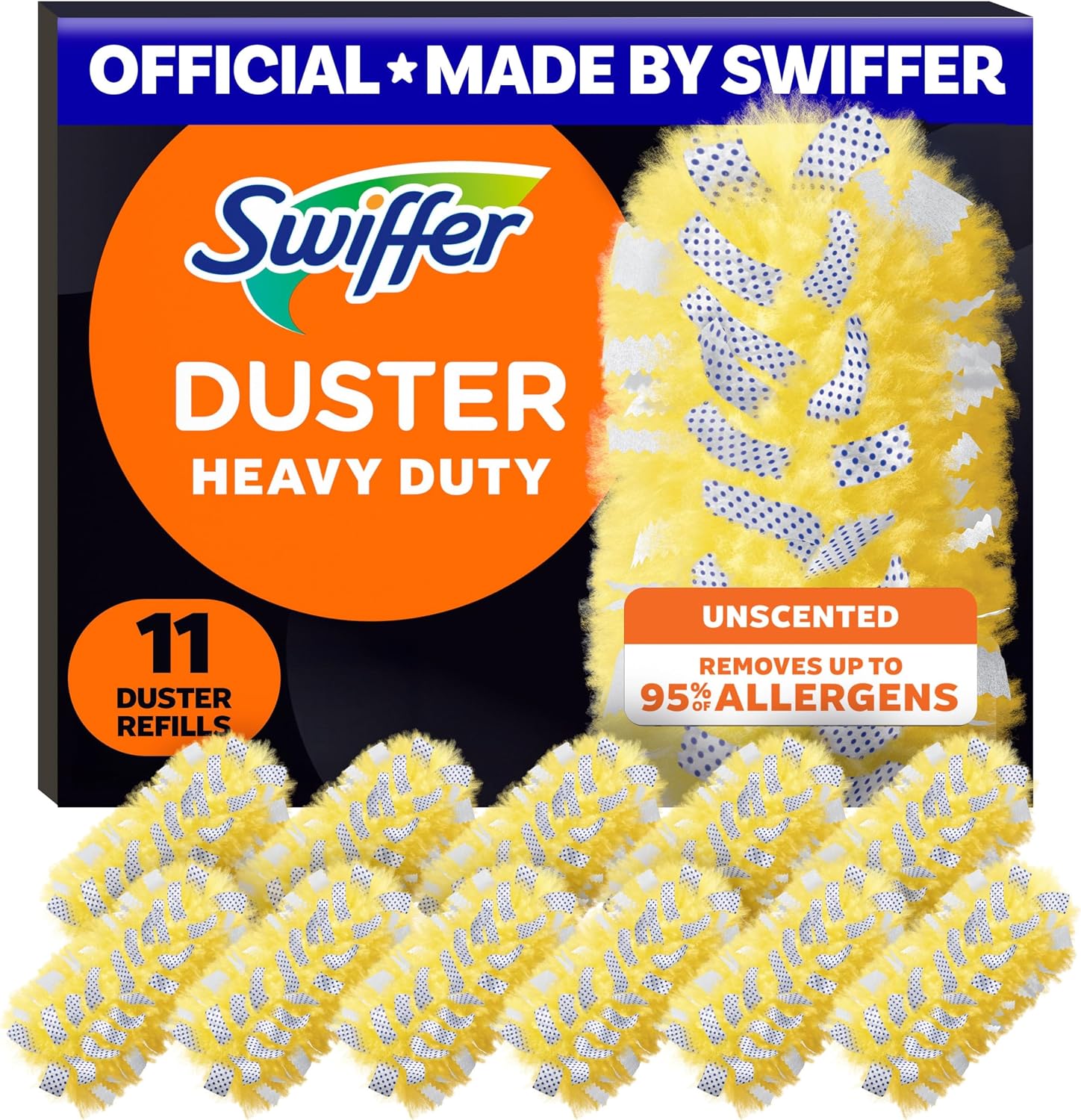
Weekly cleaning is where most of the visible upkeep happens. Bathrooms need a full wipe-down of sinks, toilets, and shower surfaces, ideally with a dedicated scrub brush for grout and tile. Kitchens benefit from a deeper counter and appliance-front wipe, plus a floor mop pass with a microfiber or spin mop system. Bedrooms should get a full vacuum pass including under the bed, where dust accumulates quickly and silently. Living rooms need dusting of surfaces, electronics, and shelving — a job that a washable microfiber duster handles far better than a dry cloth, since the electrostatic fibers actually capture dust rather than redistributing it into the air.
Laundry routines also fit naturally into a weekly rhythm. Keeping a dedicated laundry hamper in each bedroom prevents clothes from piling up on floors and chairs between wash days.
Monthly Deep-Clean Tasks
Monthly tasks address the buildup that daily and weekly cleaning don't reach. This includes vacuuming upholstery and under cushions, wiping down baseboards and door frames, cleaning inside the refrigerator, and washing curtains or area rugs. It's also the right cadence for emptying and disinfecting trash cans, cleaning light fixtures, and dusting ceiling fans and vents — areas easily forgotten in a weekly routine. The ISSA, the worldwide cleaning industry association, recommends monthly attention to ventilation and air-handling surfaces specifically because dust accumulation there directly affects indoor air quality.
Seasonal Resets
Beyond monthly tasks, a quarterly or seasonal reset is worth scheduling for jobs that simply don't need frequent attention: washing windows inside and out, decluttering closets, deep-cleaning carpets with a rental or professional service, and rotating mattresses. Seasonal resets are also a natural time to reassess your cleaning tool inventory — replacing worn mop heads, swapping out flattened microfiber cloths, and checking whether your vacuum's filter needs replacement rather than just cleaning.
"A cleaning schedule only works if it fits the rhythm of your actual week — block out fifteen minutes daily before trying to tackle an hour-long weekend session."
Building Your Own Schedule
List every recurring task in your home, then sort each into daily, weekly, or monthly based on how visibly dirt accumulates.
Assign specific days of the week to specific rooms rather than trying to clean the whole home in one sitting.
Keep core tools — vacuum, mop, microfiber cloths, scrub brush — stocked and accessible so small jobs don't get delayed.
Review the schedule every season and adjust based on what's actually getting done versus skipped.
Why Consistency Beats Intensity
A home cleaned in small, consistent doses generally looks and feels cleaner over time than one subjected to occasional marathon cleaning sessions. Consistent light cleaning also catches small issues — a sticky spot, a loose grout line, a fraying mop head — before they become bigger problems. The schedule above isn't rigid; the value comes from having any structure at all, since a predictable system removes the daily decision of "what needs cleaning today" and replaces it with a simple checklist.