The cloth you reach for matters more than most people realize. Microfiber and cotton behave very differently at a fiber level, and that difference shows up directly in streaking, dust pickup, and how well a cloth holds up to repeated washing. Neither material is universally better — each has situations where it clearly outperforms the other.
How Microfiber Works
Microfiber is made of synthetic fibers — typically a polyester and polyamide blend — split into incredibly fine strands during manufacturing. Those split ends create a huge amount of surface area and a slight static charge, which is why microfiber grabs and holds dust and fine particles rather than just pushing them across a surface. The same fine structure makes microfiber excellent at absorbing liquid relative to its weight, and its texture makes it less likely to scratch glass or finished surfaces compared to coarser woven fabrics.
How Cotton Works
Cotton is a natural fiber with a more open, looser weave than microfiber. It absorbs liquid well and is generally inexpensive and widely available, but it doesn't have the same electrostatic dust-grabbing property as microfiber — cotton tends to move dust around more than capture it. Cotton is also more prone to leaving lint behind, particularly on glass or mirrors, since its fibers shed more readily during use.
Where Microfiber Wins
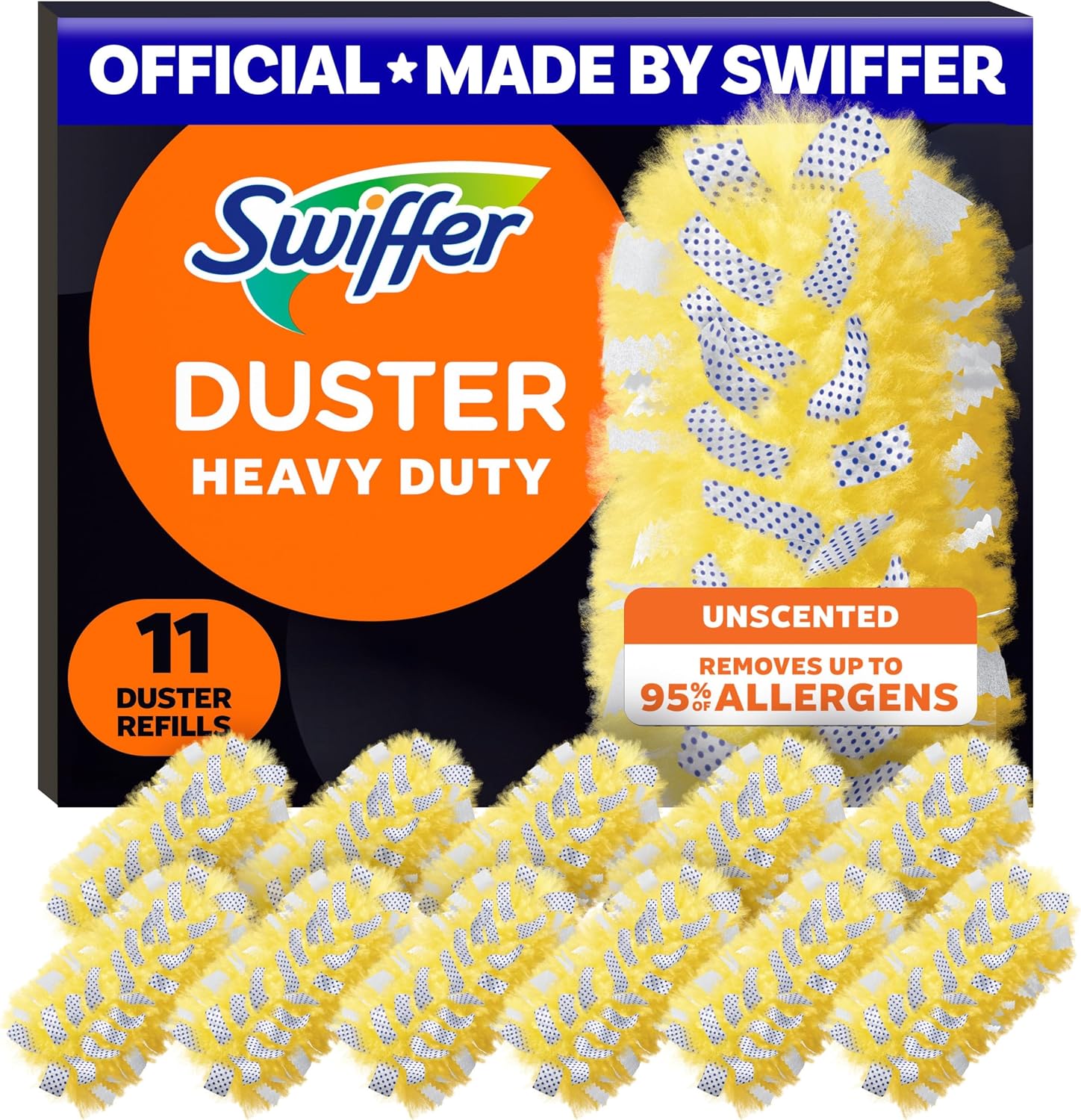
For glass, mirrors, stainless steel, and electronics, microfiber is the clear choice. Its lint-free finish and dust-trapping fibers leave a streak-free result that cotton struggles to match. Microfiber is also the better choice for dusting, since a dry microfiber cloth or duster captures fine particles instead of just relocating them to the next surface — exactly the property we highlight in our microfiber cloths and dusters guide.
Where Cotton Still Holds Up
Cotton remains a solid choice for heavy-duty wiping jobs where lint isn't a concern — mopping up large spills, wiping down outdoor furniture, or general scrubbing where durability against rougher use matters more than a streak-free finish. Cotton rags are also a practical, low-cost option for messy garage or workshop tasks where you don't want to risk a more expensive microfiber cloth.
"Use microfiber where finish quality matters — glass, screens, stainless steel — and reserve cotton for the messier, more abrasive jobs where lint isn't a concern."
Washing and Care Differences
Microfiber requires more careful laundering than cotton. Fabric softener and dryer sheets coat the fibers with a residue that fills in the microscopic gaps responsible for its dust-trapping ability, effectively ruining its performance over time. Wash microfiber separately from cotton and lint-producing fabrics, using a mild detergent and skipping fabric softener entirely. Cotton, by contrast, tolerates standard washing with other laundry without the same performance penalty, making it more forgiving for households that don't want to manage a separate wash routine.
Quick Comparison
| Property | Microfiber | Cotton |
|---|---|---|
| Dust pickup | Excellent | Fair |
| Lint-free finish | Yes | No |
| Durability for rough jobs | Good | Excellent |
| Washing care needed | Higher — no softener | Low |
Building a Mixed Cloth Drawer
Most households do best with both materials on hand: a stack of microfiber cloths for glass, electronics, and dusting, plus a set of cotton rags for spills, garage work, and rougher cleaning jobs. According to testing summarized by Consumer Reports' home cleaning coverage, microfiber consistently outperforms cotton in particle pickup tests, which is the main reason it has become the default recommendation for general household dusting and surface cleaning.