Treating every floor in your home the same way is one of the fastest ways to damage flooring over time. Hardwood, tile, carpet, and laminate each respond differently to moisture, abrasion, and cleaning chemicals, and the wrong combination can mean dulled finishes, water damage, or premature wear. This guide breaks down floor-specific cleaning approaches so you can match the method — and the tool — to the surface.
Hardwood Floors
Sealed hardwood tolerates light moisture but should never be soaked, since standing water can seep between boards and cause warping or staining over time. A microfiber dust mop or a vacuum with a hard-floor setting should handle daily debris, while a damp (not wet) microfiber mop wrung out thoroughly works well for weekly cleaning. Avoid ammonia-based or highly acidic cleaners, which can strip the floor's protective finish over repeated use.
Tile and Grout
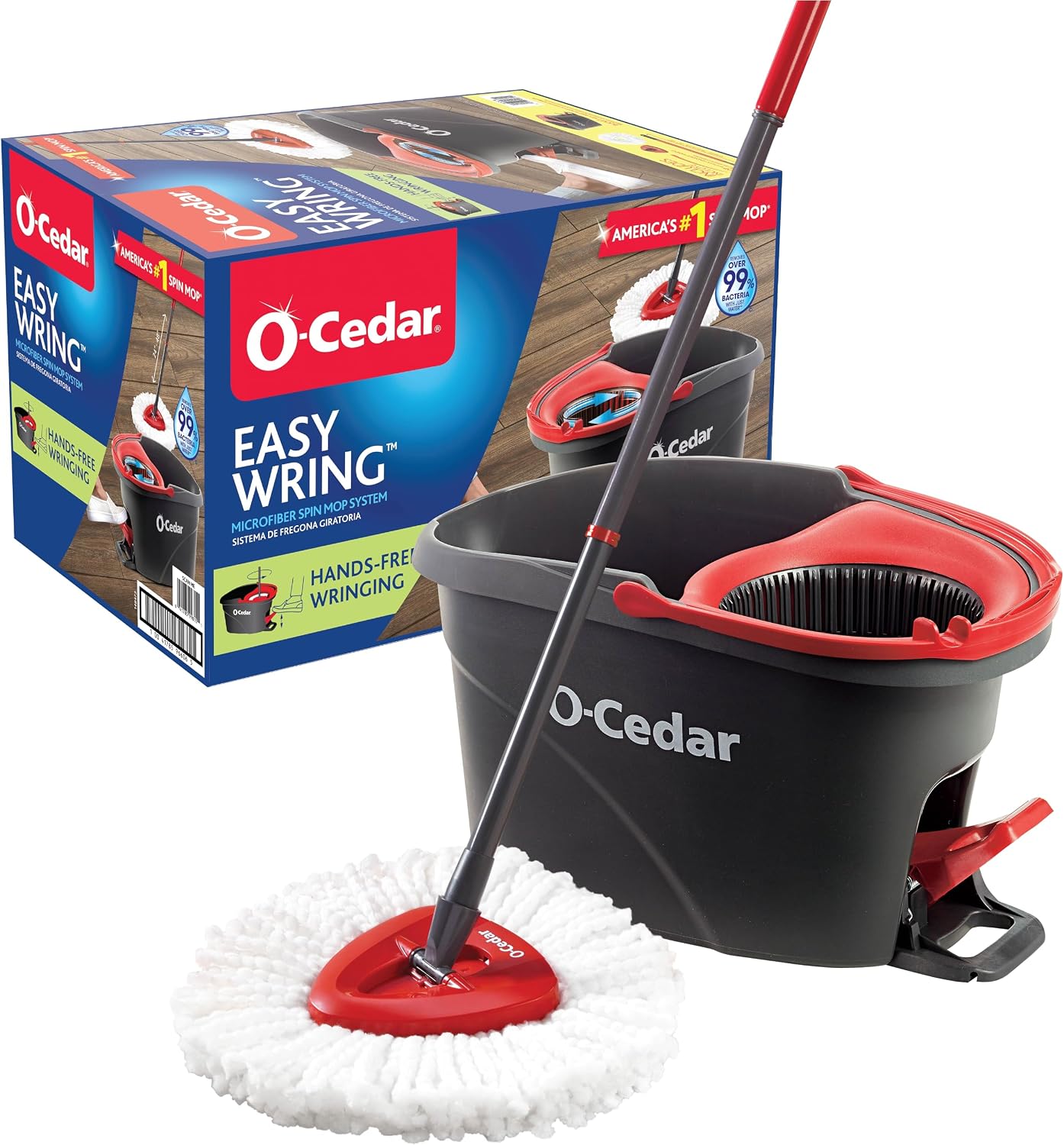
Tile itself is fairly resilient to moisture and most cleaning solutions, but grout lines are porous and stain easily if not addressed regularly. A weekly mop pass keeps surface grime under control, but grout lines benefit from a monthly deeper clean using a stiff scrub brush to work cleaning solution into the porous surface. For heavily soiled grout, a drill-powered brush attachment can cut scrubbing time significantly compared to manual effort.
Carpet
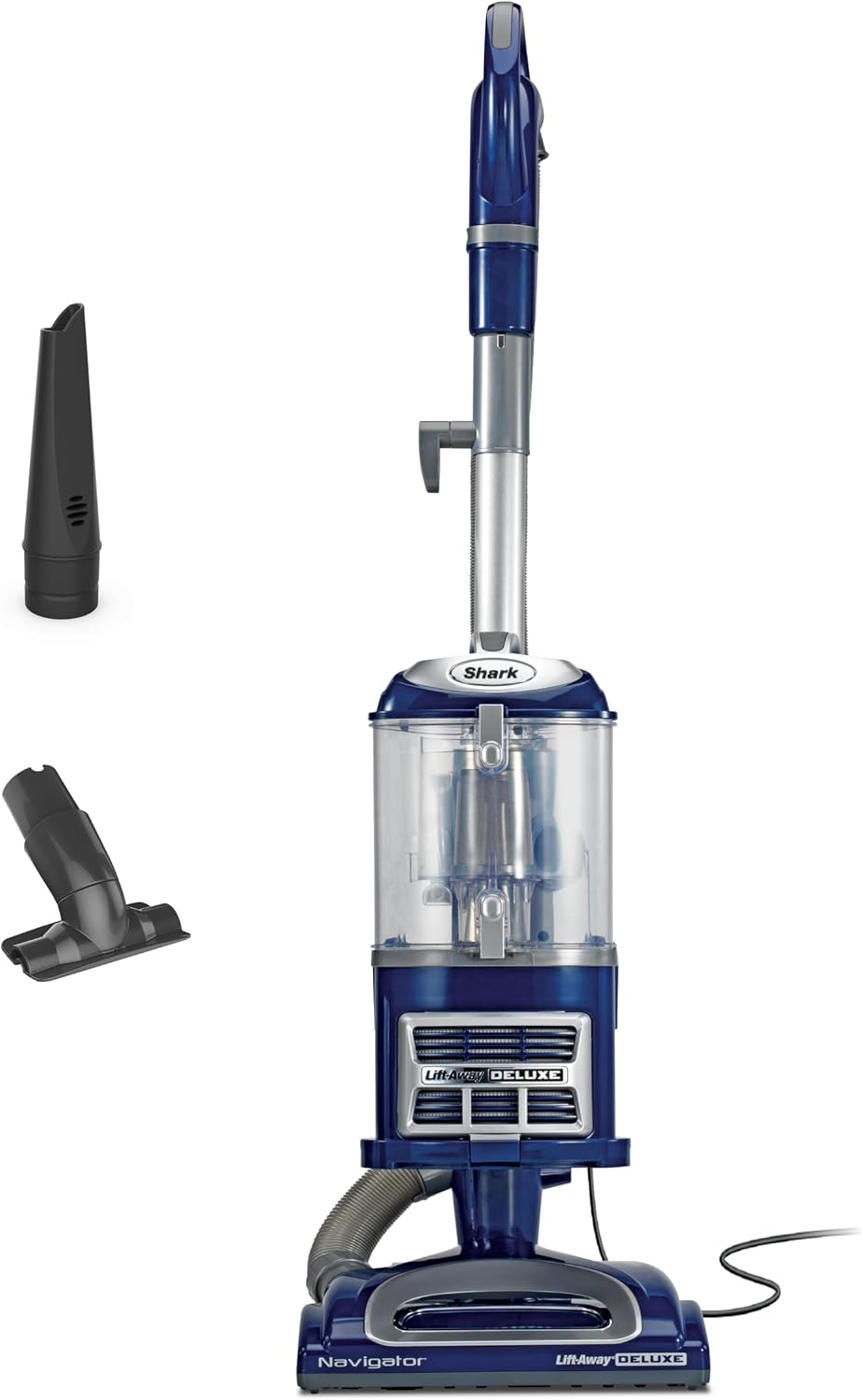
Carpet needs more frequent vacuuming than hard floors because dirt and allergens settle deep into the pile rather than sitting on the surface. High-traffic carpet areas should be vacuumed at least twice a week, ideally with a vacuum that has an adjustable or motorized brush roll matched to the carpet's pile height. Beyond regular vacuuming, carpet benefits from a deep clean — steam cleaning or a rental extraction machine — every 6-12 months to remove embedded soil that vacuuming alone can't reach.
Laminate and Vinyl
Laminate is particularly sensitive to moisture since water can seep into the seams between planks and cause swelling. Stick to a barely damp mop or a dry microfiber pad, and clean spills immediately rather than letting them sit. Vinyl is more water-tolerant than laminate and can generally handle a standard damp mop without issue, making it one of the more forgiving floor types for households that prioritize easy maintenance.
"The biggest floor-care mistake isn't using the wrong cleaner — it's using too much water on a surface that wasn't designed to handle it."
A Floor-by-Floor Quick Reference
| Floor Type | Best Tool | Moisture Level |
|---|---|---|
| Hardwood | Microfiber dust mop | Damp, never wet |
| Tile & Grout | Spin mop + scrub brush | Wet OK on tile |
| Carpet | Vacuum with brush roll | Dry; steam clean periodically |
| Laminate | Dry or barely damp mop | Minimal moisture |
| Vinyl | Standard damp mop | Tolerant of damp mopping |
Step-by-Step: Cleaning Mixed Flooring in One Pass
Vacuum carpeted rooms first using a brush roll setting matched to pile height.
Switch to a hard-floor or no-brush-roll setting before moving to tile, hardwood, or laminate.
Mop hardwood and laminate with a well-wrung, barely damp mop head.
Finish with tile and vinyl, which tolerate more moisture and can be mopped last with a wetter pass.
When to Call In Professional Cleaning
Routine maintenance handles day-to-day dirt, but deeply embedded carpet soil, grout discoloration from years of buildup, or hardwood that's lost its finish typically needs professional attention. The ISSA recommends professional carpet extraction at least annually for households with pets or high foot traffic, since at-home vacuuming alone can't remove soil that's worked deep into carpet padding.