Buying a vacuum cleaner should be simple, but the sheer number of styles, motor specs, and attachments on the market makes it easy to overspend on features you'll never use, or underspend and end up frustrated with weak suction. The right vacuum depends less on brand reputation and more on three practical factors: your flooring, your home's layout, and how much weight and noise you're willing to tolerate during a cleaning session. This guide walks through each of those factors so you can narrow the field before you ever open a product listing.
Start With Your Flooring, Not the Vacuum
The single biggest factor in vacuum performance is matching the machine's brush roll and suction profile to your floor type. Homes with wall-to-wall carpet need a vacuum with a motorized brush roll that agitates fibers and lifts embedded dirt — without one, you're really just skimming the surface. Hard floors, by contrast, do better with a brush roll that can be turned off or adjusted, since an aggressive carpet brush can scatter debris across hardwood or tile rather than collecting it. If your home has a genuine mix of both, look specifically for vacuums marketed for "multi-surface" use, which typically include a height-adjustment dial or a soft-roller option alongside the standard brush.
Area rugs deserve a special mention. Thick or shag rugs can strain a vacuum's motor and tangle brush rolls with fringe, so if you have several area rugs, prioritize a model with anti-tangle bristle design and check the maximum pile height it's rated for.
Upright, Stick, Canister, or Robot?
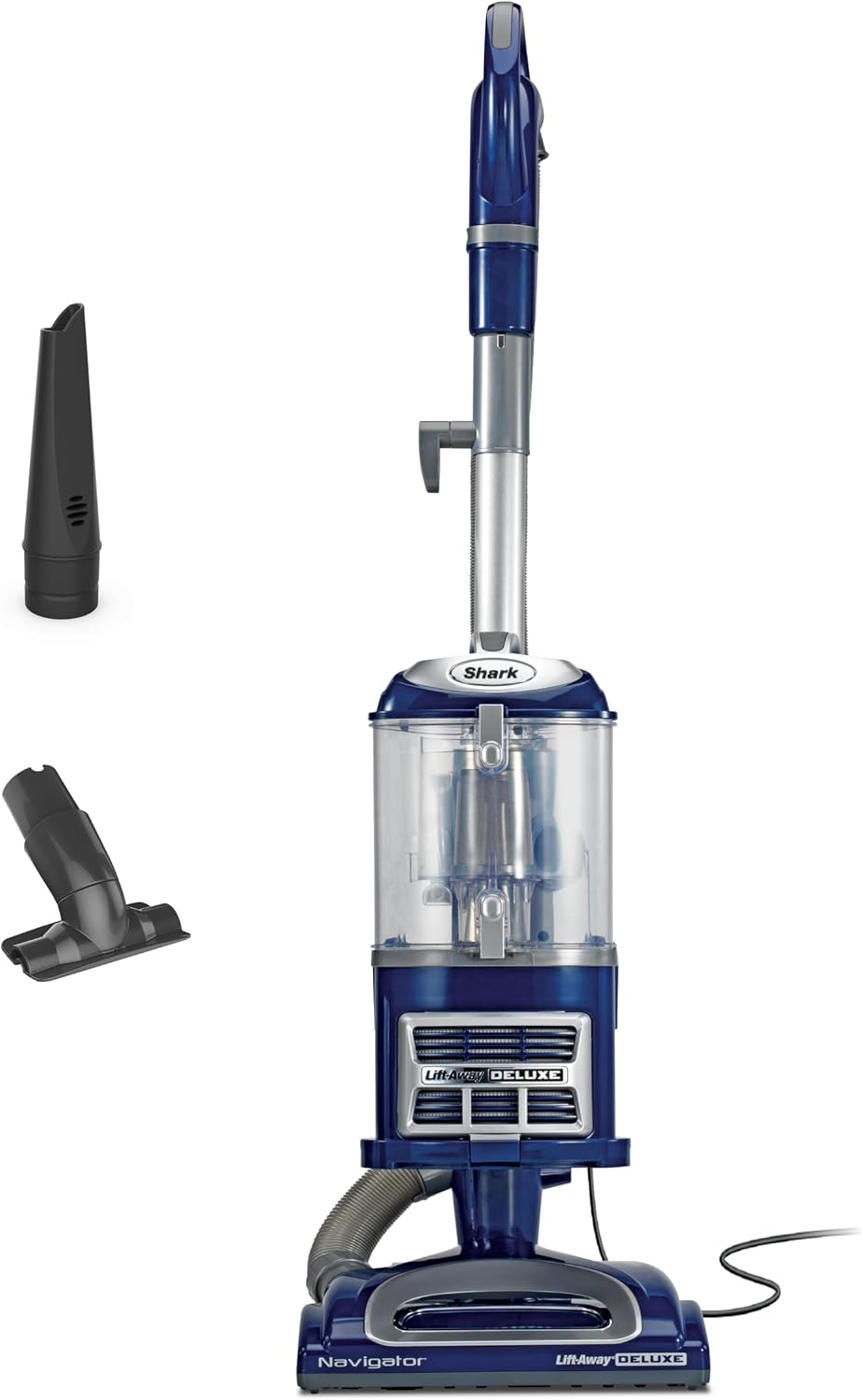
Upright vacuums remain the standard for whole-home deep cleaning. They tend to have the largest dust capacity and strongest suction motors, at the cost of weight and storage footprint. Stick vacuums — corded or cordless — trade some suction power and capacity for a dramatically lighter, more maneuverable design that's ideal for quick daily cleanups or smaller living spaces. Canister vacuums separate the motor unit from the cleaning head via a hose, which makes them excellent for stairs, upholstery, and tight spaces, though they take up more storage space than a stick model. Robot vacuums handle maintenance cleaning between deeper sessions but aren't a full replacement for a manual vacuum, especially on stairs or for true deep-cleaning passes.
For most households, the practical answer is an upright or canister as the primary vacuum, supplemented by a lightweight stick vacuum for quick touch-ups — which is exactly why our best vacuum cleaners roundup includes both heavy-duty and lightweight options.
Suction Power and Filtration
Suction specifications can be confusing because manufacturers use different units and testing conditions. Rather than comparing raw numbers across brands, focus on real-world indicators: does the listing mention multi-cyclonic or sealed suction technology, and is the filtration HEPA-rated? According to the EPA's guidance on indoor air quality, vacuums without sealed HEPA filtration can recirculate fine particulates back into the room, which matters significantly for households with allergy or asthma sufferers. A vacuum with a sealed system and a true HEPA filter captures particles down to 0.3 microns rather than blowing them back out through gaps in the housing.
Weight and Maneuverability
It's easy to underestimate how much a vacuum's weight affects how often it actually gets used. A powerful 18-pound upright that's a hassle to carry up and down stairs will get used less than a lighter, slightly less powerful model that lives within easy reach. If your home has multiple levels, weigh whether a single heavier vacuum for the main floor paired with a lightweight stick vacuum for upstairs makes more practical sense than hauling one machine throughout the house.
"The best vacuum is the one you'll actually use every week — suction specs on a box mean nothing if the machine is too heavy to pull out of the closet."
Cordless vs. Corded
Cordless vacuums have improved dramatically in battery life and suction consistency, but they still trade some runtime for convenience. Most cordless sticks offer 20-45 minutes on standard power settings, dropping significantly on boost or max-suction modes. For a typical one-bedroom apartment, that's plenty; for a larger multi-room home, you may need to plan cleaning in stages or keep a corded backup for deep-cleaning sessions. Corded vacuums sacrifice some convenience for unlimited runtime and typically stronger, more consistent suction throughout a cleaning session.
A Simple Decision Process
Identify your dominant floor type — carpet, hard floor, or a true mix — and shortlist vacuums rated for that surface.
Decide if you need one do-it-all vacuum or a primary unit plus a lightweight secondary for quick jobs.
Check filtration type if anyone in the household has allergies or asthma.
Weigh cordless convenience against corded runtime based on your home's size.
Cross-reference your shortlist against owner reviews, not just spec sheets — real households surface issues that spec sheets don't.
Maintenance Habits That Extend Vacuum Life
Even the best vacuum underperforms if it isn't maintained. Empty the dust cup or replace the bag before it's completely full — most vacuums lose suction well before reaching capacity. Clean or replace filters on the schedule recommended by the manufacturer, and check the brush roll monthly for tangled hair or string, which can strain the motor over time. Consumer Reports' ongoing vacuum testing, summarized in their vacuum cleaner ratings, consistently notes that suction loss from clogged filters is one of the most common complaints traced back to maintenance neglect rather than product defects.